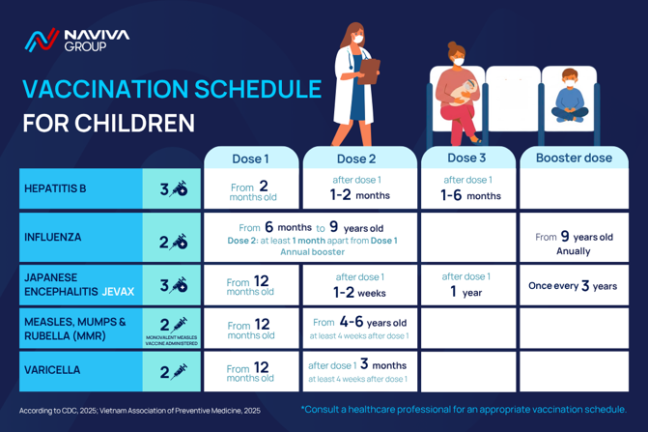
Vaccination safety is always a primary concern for parents, particularly for children with sensitive constitutions or a history of allergies. In this context, the Barycela varicella vaccine represents an optimal and reassuring solution.
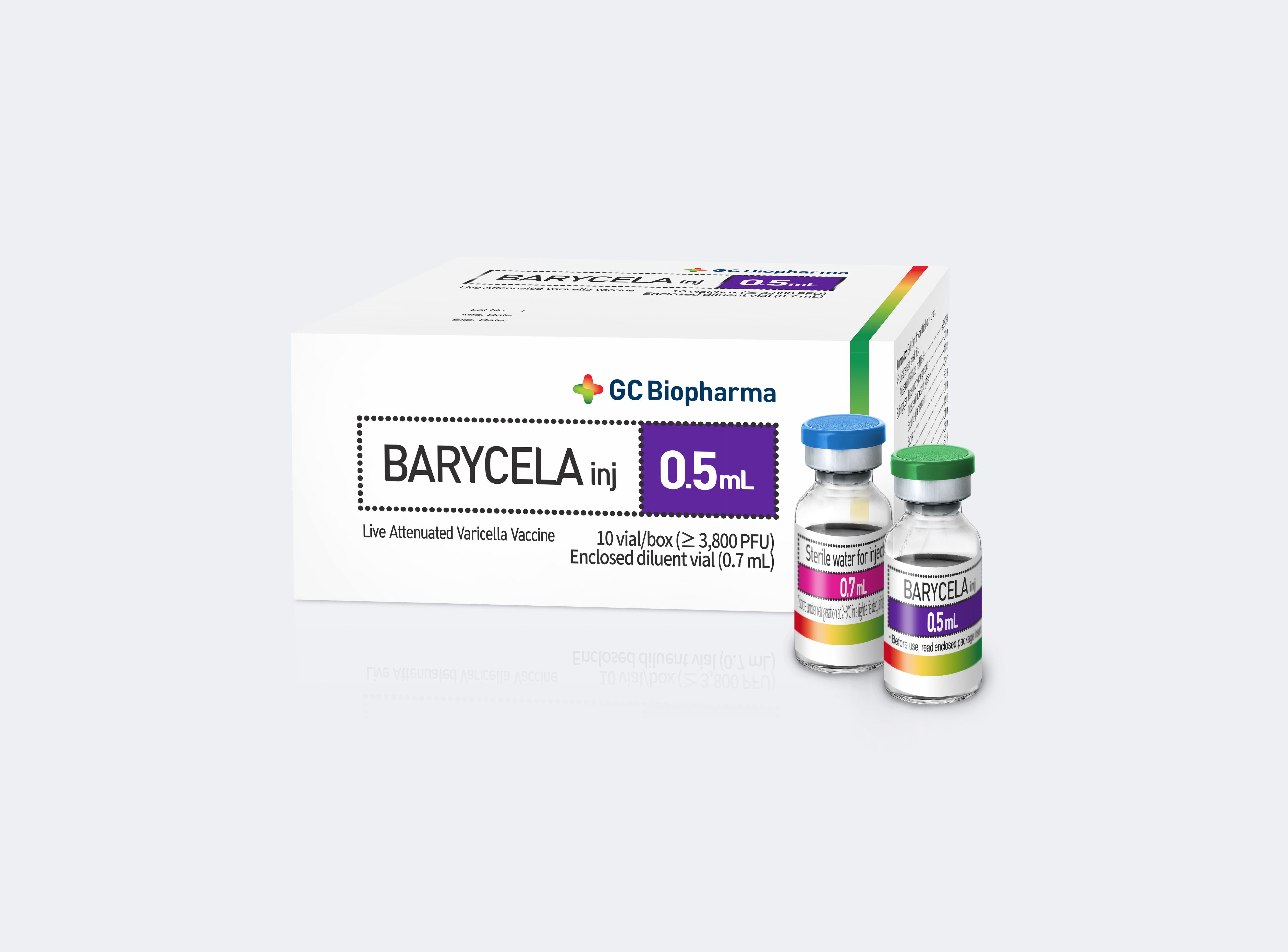
The Barycela varicella vaccine is manufactured by GC Biopharma (South Korea). Photo: Naviva Group
Many parents express concern upon learning that certain vaccines contain antibiotics, which may cause post-vaccination reactions ranging from irritability, poor feeding, and sleep disturbances to skin rashes.
In infants, these manifestations can easily be mistaken for normal physiological responses. However, if not promptly recognized, allergic reactions may worsen and, in rare cases, progress to anaphylactic shock.
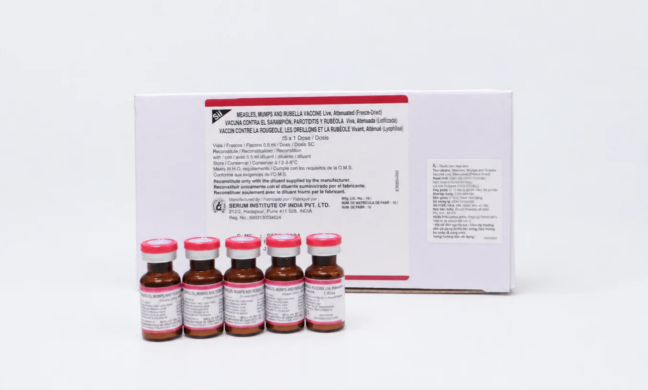
Several commonly used vaccines – such as measles, mumps, rubella, varicella, Japanese encephalitis, and inactivated polio vaccines – may contain residual amounts of antibiotics, including neomycin, gentamicin, streptomycin, kanamycin, erythromycin, and others.
Meanwhile, most parents are unaware of whether their child has hypersensitivity or allergy to a specific antibiotic unless the child has previously exhibited allergic reactions during earlier exposures.
Why Are Antibiotics Used in Vaccines?
Antibiotics in vaccines are not intended for therapeutic purposes. Instead, they are used during the manufacturing process to prevent bacterial or fungal contamination during viral or cell culture. Following production, the majority of antibiotics are removed, leaving only trace residual amounts that comply with stringent quality control standards.
Nevertheless, there is currently no level of antibiotic residue that is universally recognized as absolutely safe for all children. Consequently, vaccination guidelines continue to contraindicate vaccine administration in individuals with known allergies to any vaccine component, including antibiotics.
While this approach ensures immunization safety, it may also limit vaccine access for certain children with heightened sensitivity.
The Trend Toward Antibiotic-Free Vaccines
Advances in modern vaccine manufacturing technologies are increasingly enabling the complete elimination of antibiotics. Strict aseptic production conditions, closed manufacturing systems, single-use technologies, and rigorous microbiological monitoring have made it possible to develop high-quality vaccines while minimizing the risk of allergic reactions.
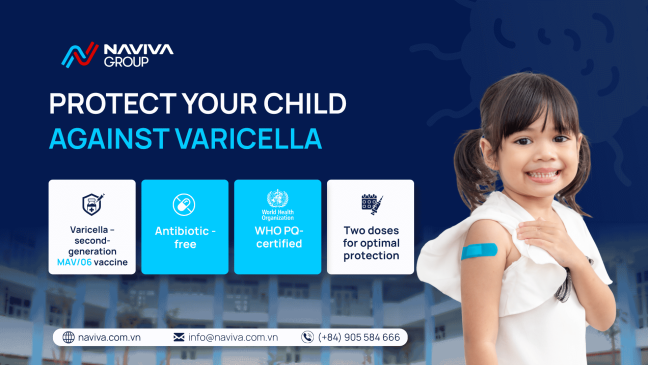
The new-generation varicella vaccine Barycela, manufactured by GC Biopharma (South Korea) and currently distributed in Vietnam by NAVIVA Group, is a clear example of this antibiotic-free vaccine trend.
Progress in modern medicine not only delivers effective disease prevention but also fosters confidence and peace of mind for families. Accurate understanding and informed choices help ensure that each vaccine dose serves as a robust shield protecting public health.
Barycela Varicella Vaccine – A Safe Choice for Children
As an antibiotic-free varicella vaccine, Barycela offers several clear advantages:
- No contraindication for children with antibiotic hypersensitivity
- Reduced risk of antibiotic-related allergic reactions
- Particularly suitable for pediatric populations, who require the highest safety standards
The complete elimination of antibiotics from vaccines provides reassurance for parents-ensuring that each vaccination delivers effective disease prevention while maximizing safety.
Dr. Do Tuan Dat, PhD – Vaccine and Medical Biologics Specialist & Dr. Pham Thi Phuong Thao, PhD
Wednesday, 24 December 2025
Source: Lao Dong Newspaper