Varicella is a common infectious disease in young children. It is highly contagious and can easily lead to outbreaks, particularly during periods of seasonal transition.
Each year, cases typically begin to appear in late December and increase significantly in the early months of the year, peaking between February and May—a time when children participate in more group activities and are exposed to crowded environments.
Early varicella vaccination is strongly recommended by health experts as an effective measure to protect children. Currently, improved varicella vaccines that offer high immunogenicity and safety and meet international quality standards are available in Vietnam.
What Is Varicella?
Varicella is an infectious disease caused by the Varicella Zoster Virus (VZV), which belongs to the Herpesviridae family—a group of viruses capable of causing disease in humans.
According to the Department of Preventive Medicine, varicella spreads rapidly through the respiratory route, respiratory droplets, and direct contact with skin lesions. It is one of the most contagious infectious diseases, with secondary attack rates of 70–90% among household contacts.
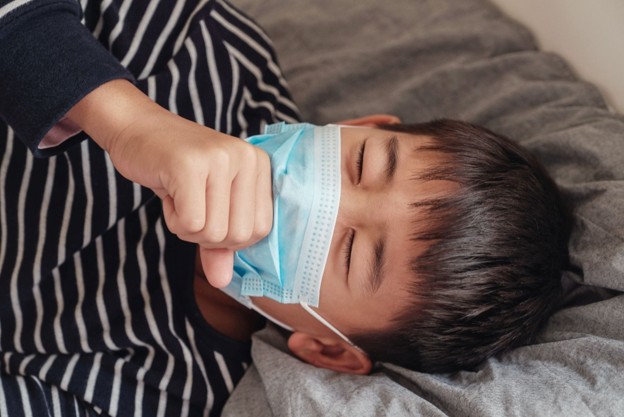
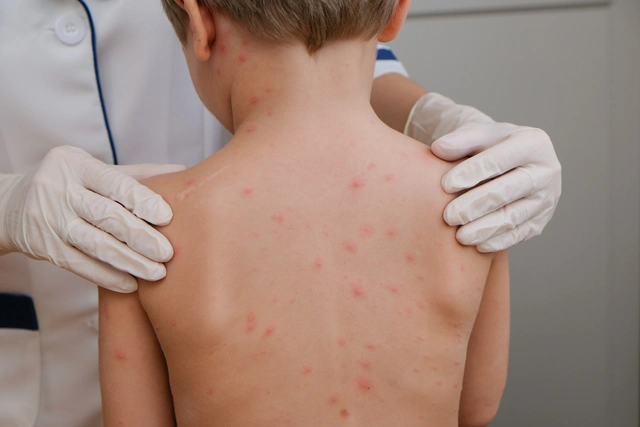
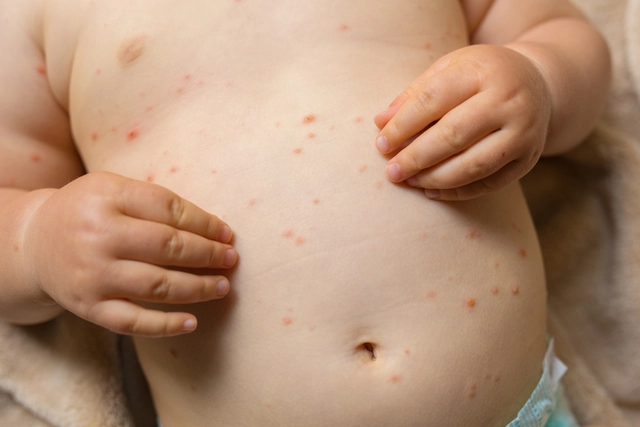
Early symptoms of varicella include mild fever, fatigue, poor appetite, sneezing, runny nose, and a general feeling of malaise. These are followed by the appearance of small red rashes on the skin, which quickly progress into fluid-filled blisters.
When blisters appear densely, the disease may be progressing more severely. Varicella typically lasts 7–10 days. In uncomplicated cases, the blisters dry out, form scabs, and fall off. The affected skin may appear slightly darker but usually improves over time without scarring.
Potential Complications in Children
Varicella may lead to complications, particularly in children with weakened immunity or when care is inadequate, including:
– Skin infections, impetigo, and secondary bacterial infections
– Viral pneumonia
– Encephalitis and cerebellitis
– Dehydration due to high fever, poor appetite, and reduced fluid intake
In the long term, children may have an increased risk of developing herpes zoster (shingles)—a late reactivation of the virus occurring many years after primary varicella infection. Shingles may cause complications such as neuropathic pain, corneal ulceration, and even vision loss.
Which Age Groups Are at Higher Risk?
According to statistics from the Pasteur Institute in Ho Chi Minh City, approximately 90% of varicella cases occur in children aged 2 to 7 years.
Because varicella is highly contagious, school-aged children who frequently interact in crowded environments face a higher risk of infection.
Why Are Children More Susceptible to Varicella?
Young children have an immature immune system, making them more vulnerable to infectious agents. The virus spreads rapidly in group settings such as daycare centers and classrooms, especially since infected children can transmit the virus 1–2 days before the rash appears.
Critical Periods to Watch
Varicella incidence usually rises from late winter through spring (from December to April–May of the following year). During this time, parents should pay close attention to their children’s health and proactively implement preventive measures.
Preventive Measures Include:
- Frequent handwashing with soap or antiseptic solutions
- Maintaining good personal hygiene and well-ventilated living spaces
- Teaching children to avoid touching their eyes, nose, and mouth
- Limiting close contact when a suspected case is present in the classroom

Vaccination – an Effective and Long-Term Preventive Measure
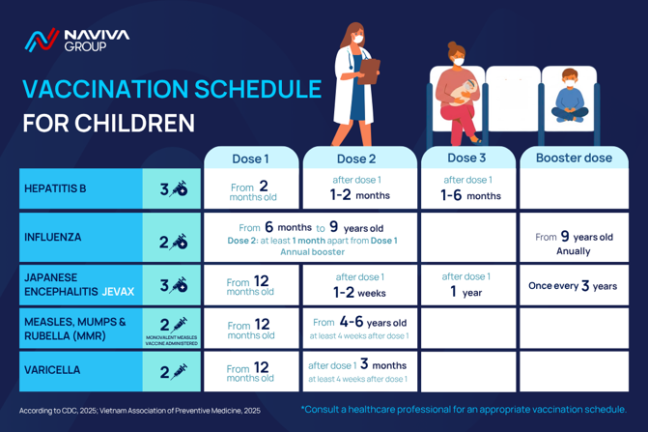
According to medical experts, vaccination is currently the most proactive, safe, and effective method for preventing varicella. Vaccination reduces the risk of infection, limits complications, and protects children throughout the outbreak season. Children aged 12 months and older are recommended to receive early vaccination to establish active immunity and reduce the risk of disease and complications.
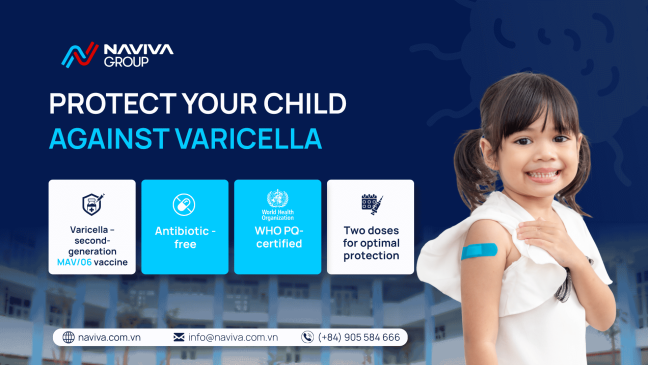
Modern varicella vaccines have undergone significant improvements, including the second-generation MAV/06 strain varicella vaccine manufactured by GC Biopharma (South Korea), which offers notable advantages:
- High and durable immunogenicity, with a minimum potency of ≥ 3,800 PFU
- Antibiotic-free formulation, reducing the risk of hypersensitivity in children with allergic predispositions
- WHO Prequalification (WHO-PQ) certification for quality and safety, with experts recommending early vaccination to support long-term health protection
Recommended Vaccination Schedule
Children aged 12 months to 12 years:
– Dose 1: From 12 months of age
– Dose 2: At least 3 months after the first dose, or as a booster at 4–6 years of ageEarly varicella vaccination serves as a vital immune shield, helping children stay healthy, enjoy a full and happy childhood, and remain protected against long-term disease risks.
NAVIVA GROUP is the authorized distributor of the second-generation MAV/06 strain varicella vaccine, BARYCELA Inj. (GC Biopharma – South Korea), in Vietnam. With over 21 years of experience in vaccines and biological products, NAVIVA GROUP collaborates with healthcare facilities to enhance access to safe, effective, and high-quality vaccines for the community.
The company is committed to ensuring a stable vaccine supply, strictly complying with GSP/GDP standards for storage and transportation, and actively supporting initiatives that promote safe and proactive vaccination awareness.
📞 Consultation Hotline: 0905 584 666
🌐 Website: www.naviva.com.vn
📧 Email: info@naviva.com.vn
Source: suckhoedoisong.vn