As varicella continues to be reported in large numbers among young children and within school settings, healthcare experts are warning parents not to underestimate the disease.
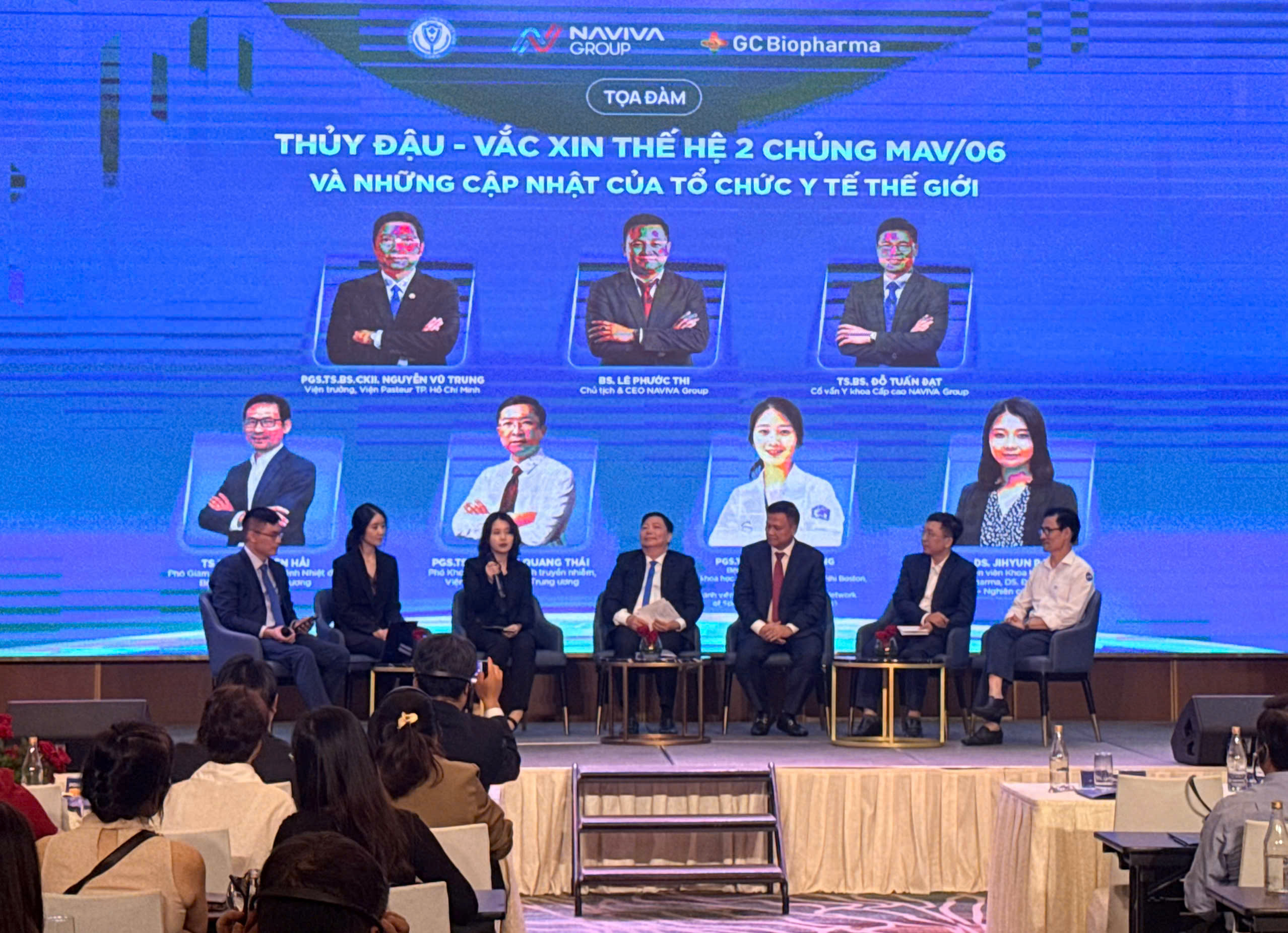
On May 9, the Vietnam Association of Preventive Medicine, in collaboration with NAVIVA Group and GC Biopharma, organised a scientific conference entitled “Varicella – Second-Generation MAV/06 Strain Vaccine and Updates from the World Health Organization (WHO)”. The conference focused on the latest data regarding varicella, the role of vaccination in disease prevention, and updated WHO recommendations aimed at improving disease control within the community.
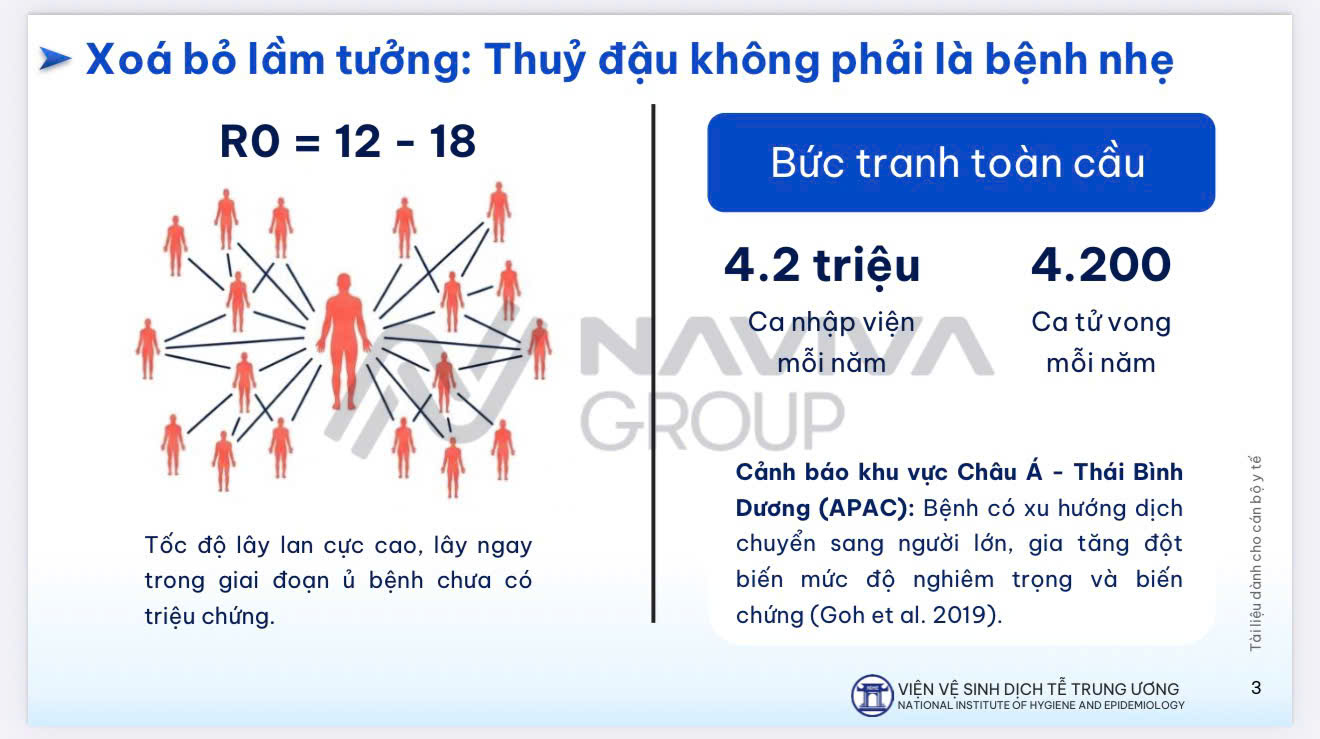
According to healthcare experts, varicella is an acute infectious disease caused by the Varicella-Zoster virus, with a very high transmission rate through respiratory droplets and direct contact. The infection rate may reach up to 90% among individuals without immunity.
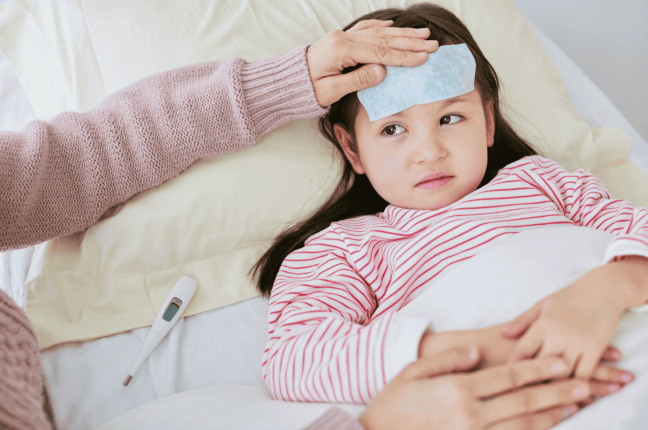
Dr Do Thien Hai, Deputy Director of the Center for Tropical Diseases at the National Children’s Hospital, stated that many parents still consider varicella a mild illness and therefore remain complacent about monitoring and isolating infected children. As a result, outbreaks occur particularly easily in schools and other crowded settings involving children. The virus can spread rapidly from the early stage of infection, when children may only present with a few red spots or mild fever.
“We previously recorded a case in which a child continued attending school despite showing signs of infection. Only a few days later, multiple children in the same classroom also developed varicella symptoms and had to stay home from school,” Dr Hai added.
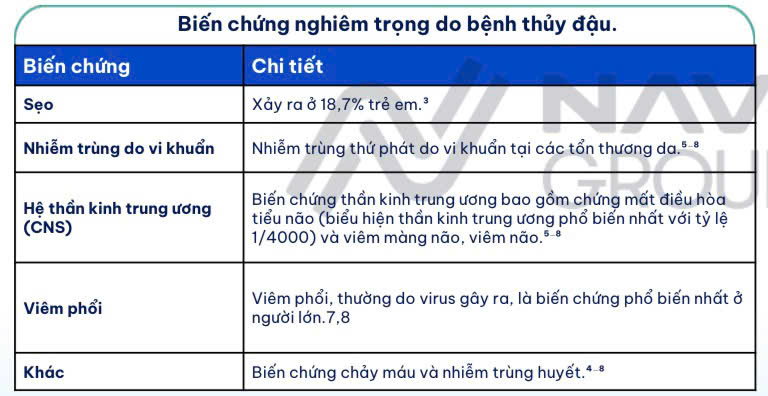
According to physicians, varicella not only disrupts children’s daily activities and education, but may also lead to serious complications such as pneumonia, encephalitis, and skin infections, particularly in newborns, pregnant women, and immunocompromised individuals. Therefore, when children develop symptoms such as fever, vesicular rash, or suspected varicella infection, they should stay home from school, avoid crowded places, and receive medical evaluation promptly to reduce transmission risk and prevent severe complications.
Dr Hai also shared that the hospital had previously admitted an infant just over two months old who contracted varicella from a family member. Due to the infant’s immature immune system, the disease rapidly progressed to severe pneumonia, requiring intensive treatment over an extended period.
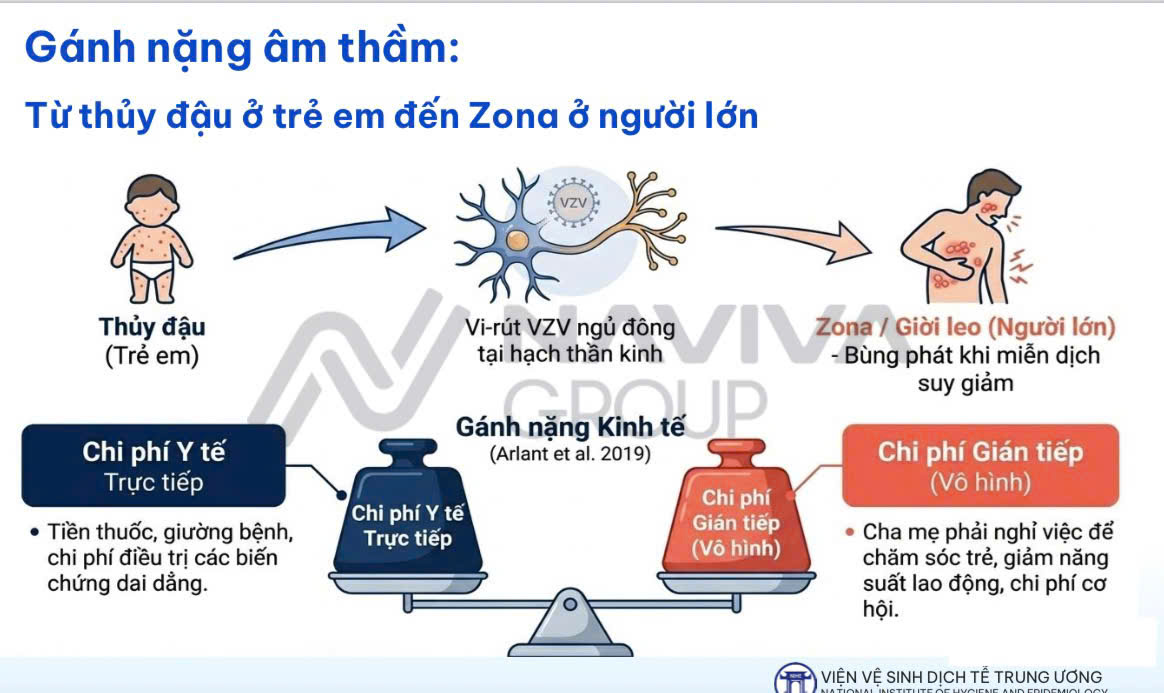
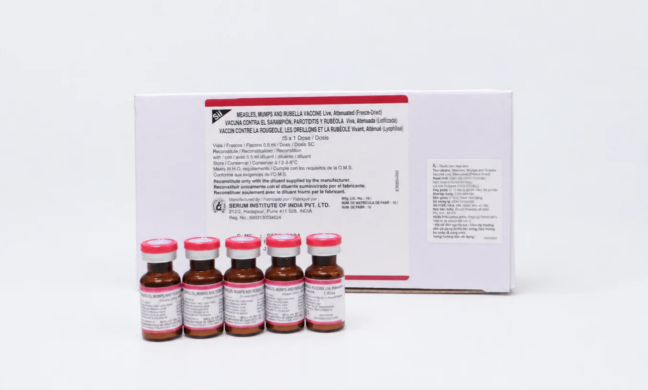
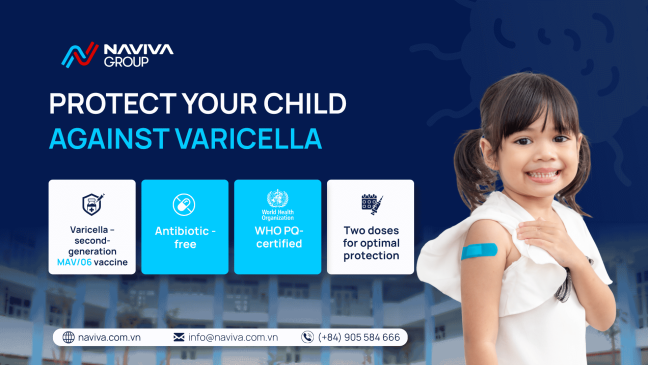
According to experts at the conference, vaccination remains the most effective and sustainable preventive measure to reduce disease risk, minimise complications, and lessen the burden on the healthcare system. In addition, the organising committee presented updated scientific data on the second-generation MAV/06 strain varicella vaccine developed by GC Biopharma.
According to Dr Do Tuan Dat, a vaccine expert, a notable feature of this vaccine is that it was developed using modern technology and manufactured through an antibiotic-free production process, aligning with current trends toward higher safety standards in vaccine manufacturing.
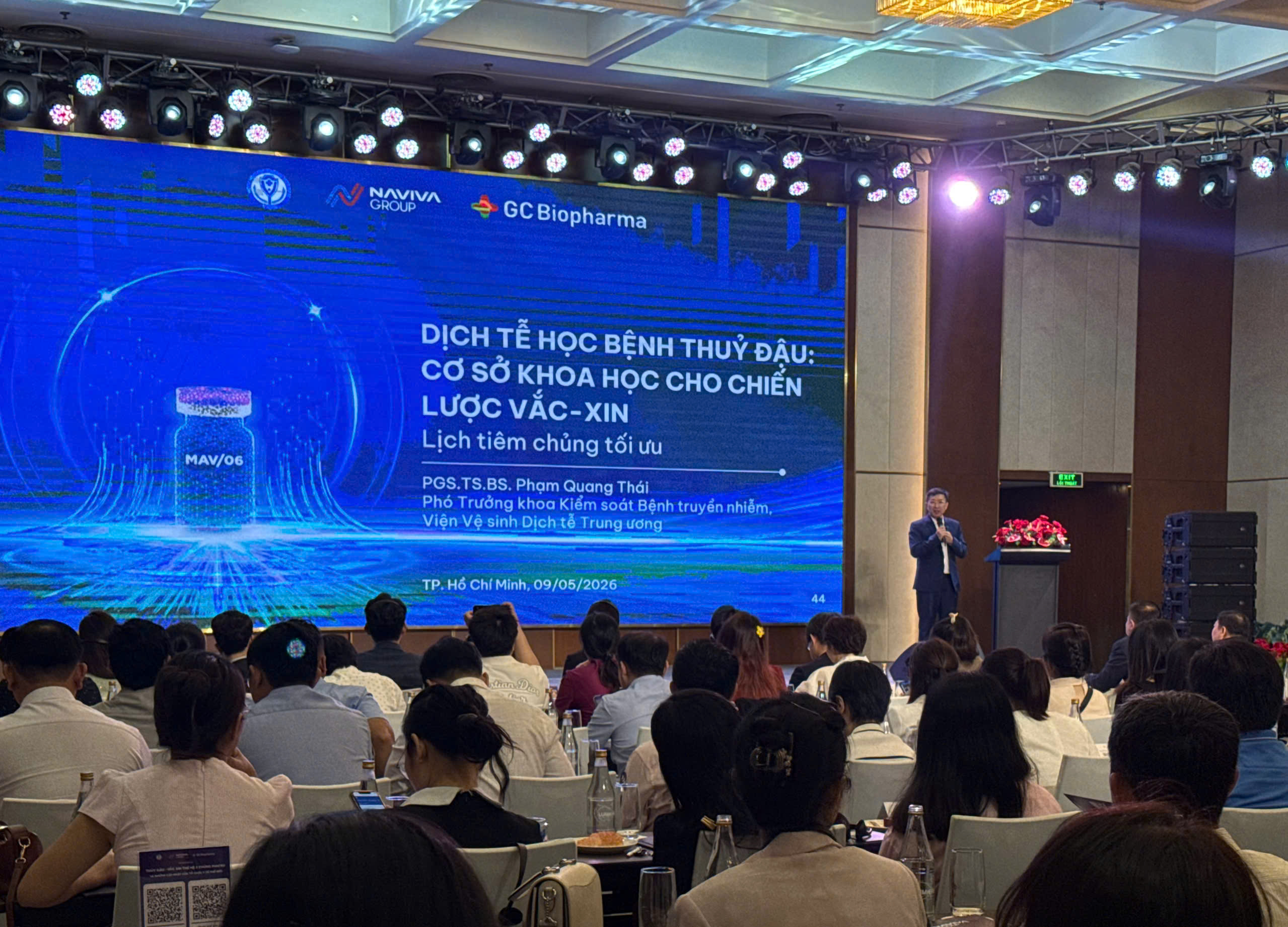
Furthermore, the conference also provided updates on the latest WHO recommendations regarding optimal vaccination schedules and the role of immunisation in community-based varicella control strategies.
Dr Le Phuoc Thi, Chairman and CEO of NAVIVA Group, stated that the organisation hopes the information shared during the conference will contribute to improving varicella prevention efforts within the community, particularly as the disease continues to pose a high transmission risk in schools and residential areas.
source: eranet.vn