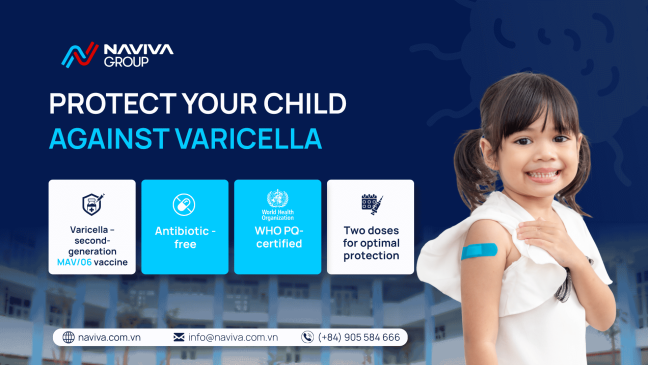
The World Health Organization (WHO) has confirmed that the MAV/06 strain is equivalent to the Oka strain, expanding the global supply of varicella vaccines and recommending a two-dose vaccination schedule to maintain durable immunity.
On November 21, the WHO released an updated WHO Position Paper on varicella vaccines, replacing the version issued in 2014. The new document consolidates recent scientific evidence, vaccine effectiveness data, and implementation experience from multiple countries, forming the basis for recommendations aligned with the current global context.
One of the most significant updates is the confirmation that the MAV/06 strain is equivalent to the Oka strain, which has long been the reference virus strain used in many existing varicella vaccines. According to WHO, this recognition helps expand vaccine supply for countries and allows the MAV/06 strain to be integrated into immunization schedules currently used worldwide.

Children receiving vaccination at a healthcare center. Photo: Do Dat
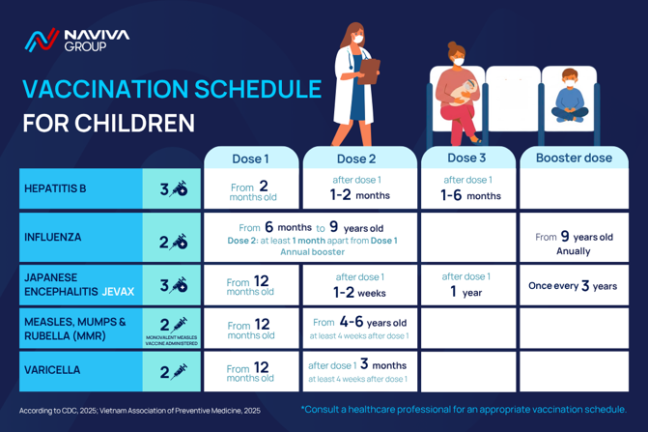
The guideline also emphasizes the effectiveness of a two-dose varicella vaccination schedule. WHO notes that while a single dose can provide good protection, two doses generate a more optimal and long-lasting immune response. This schedule has already been adopted by several countries, including the United Kingdom.
From a public health perspective, WHO continues to affirm that vaccination is the primary intervention for reducing severe varicella cases and preventing complications, particularly in children. The organization supports the inclusion of varicella vaccines in Expanded Program on Immunization (EPI) schedules in regions where the disease remains a significant burden.
The updated document formally replaces the 2014 guideline and incorporates new scientific evidence as well as real-world experience from healthcare systems across many countries, with the aim of supporting governments in developing more effective and context-appropriate immunization policies.
Source: vnexpress.net