
“Hepatitis: Let’s Break It Down” – Removing Barriers to Eliminate Hepatitis
Viral hepatitis – the “silent attacker” of the liver
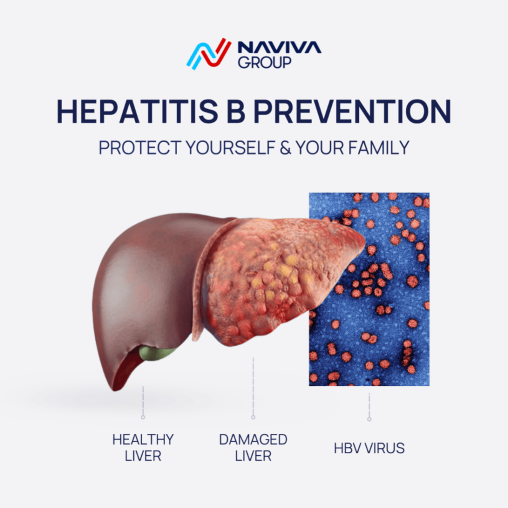
Among the different types of viral hepatitis, hepatitis B and hepatitis C are of particular concern because they can progress to chronic infection, silently damaging the liver for many years without causing noticeable symptoms. Many people are diagnosed only after developing serious complications such as liver cirrhosis or liver cancer.
According to the World Health Organization (WHO), approximately 287 million people worldwide were living with chronic hepatitis B or hepatitis C infection in 2024. Together, these diseases caused around 1.3 million deaths, equivalent to nearly 3,600 deaths every day, primarily due to liver cirrhosis and hepatocellular carcinoma (HCC). (1,2)
Notably, among the estimated 240 million people living with chronic hepatitis B, only about 27% had been diagnosed, and fewer than 5% were receiving treatment. This indicates that the majority of affected individuals remain unaware of their infection or have yet to gain adequate access to essential healthcare services. (2)
Viral hepatitis is therefore not only an issue for those living with the disease but also a major global public health challenge.
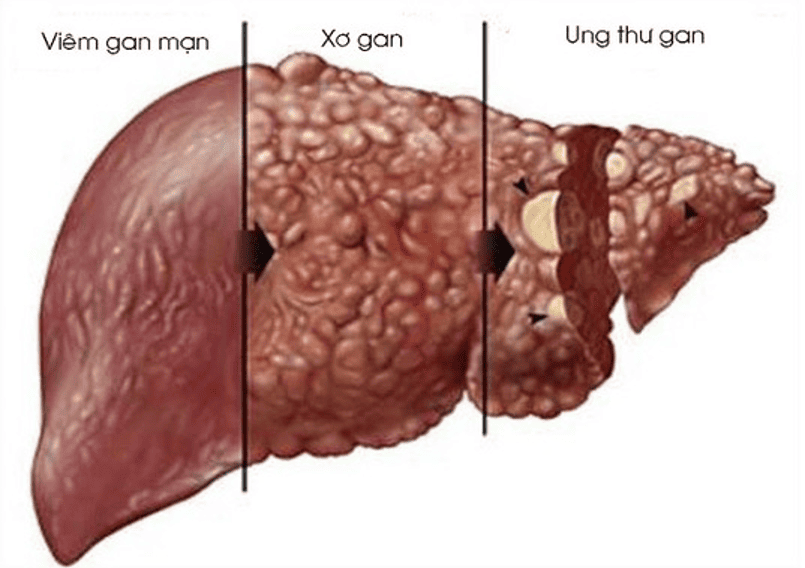
Chronic hepatitis B or hepatitis C infection can progress to liver cirrhosis and liver cancer.
Why is 28 July observed as World Hepatitis Day?
Every year on 28 July, the World Health Organization (WHO) and its partners commemorate World Hepatitis Day to raise awareness of viral hepatitis A, B, C, D and E, while encouraging concrete actions to improve prevention, testing and treatment. (1)
The date also marks the birthday of Professor Baruch Samuel Blumberg, the scientist who discovered the hepatitis B virus (HBV) and played a pivotal role in developing both the diagnostic test and the hepatitis B vaccine.
In 1976, Professor Blumberg was awarded the Nobel Prize in Physiology or Medicine, together with D. Carleton Gajdusek, for their discoveries concerning the mechanisms underlying the origin and spread of infectious diseases. (3,4)
Selecting Professor Blumberg’s birthday not only honours a scientist whose work has profoundly benefited global health, but also highlights the critical role of scientific innovation in advancing effective strategies for hepatitis prevention and control.
The 2026 Theme: “Hepatitis: Let’s Break It Down”
For World Hepatitis Day 2026, WHO has adopted the theme:
Hepatitis: Let’s Break It Down
Breaking down the barriers to hepatitis prevention and control
The campaign calls on governments, healthcare systems and communities to remove the barriers that continue to prevent people from accessing hepatitis prevention, testing, treatment and care services. (1)
These barriers include:
- Limited access to accurate information and the persistence of misconceptions about hepatitis;
- Inadequate access to screening and early diagnosis;
- Incomplete or delayed hepatitis B vaccination;
- Limited access to treatment and long-term care services;
- Stigma and discrimination against people living with hepatitis;
- Constraints in healthcare resources, financing and health systems.
Today, the world already possesses effective scientific tools to combat viral hepatitis:
- Safe and highly effective vaccines to prevent hepatitis B;
- Reliable diagnostic tests for early detection;
- Antiviral therapies that help control chronic hepatitis B, slow the progression to cirrhosis and reduce the risk of liver cancer;
- Curative treatment regimens capable of curing more than 95% of hepatitis C infections.
The challenge now is to ensure that these proven interventions become equitably, conveniently and promptly accessible to everyone who needs them. (1,2)
Hepatitis B can be effectively prevented through vaccination
Hepatitis B is a vaccine-preventable disease. Hepatitis B vaccines have been used worldwide since 1982, with more than one billion doses administered globally.
The vaccine provides protective immunity in over 95% of infants, children and healthy young adults. In many countries, hepatitis B immunisation programmes have substantially reduced the prevalence of chronic HBV infection among children, thereby lowering their future risk of liver cirrhosis and liver cancer. (5)
WHO recommends that all newborns receive the first dose of hepatitis B vaccine as soon as possible after birth, preferably within 24 hours, followed by completion of the recommended vaccination schedule. (1,5)
The birth dose plays a particularly important role in preventing mother-to-child transmission of HBV and reducing the risk of infection during early childhood.
Pregnant women should also be screened for hepatitis B as part of routine antenatal care. Those who test positive should receive appropriate counselling from healthcare professionals and be offered suitable preventive interventions to protect both mother and newborn.
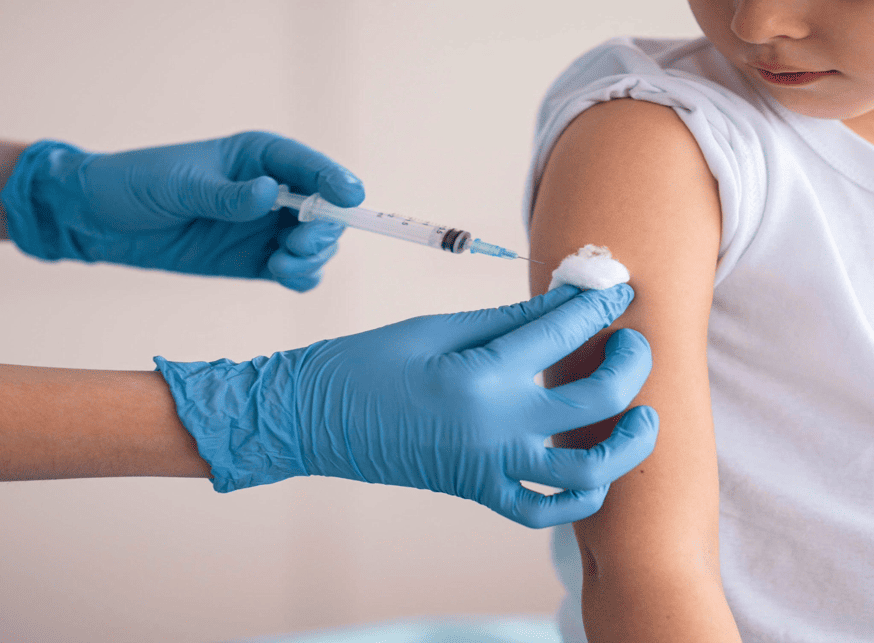
Completing the hepatitis B vaccination schedule is a safe and effective way to prevent hepatitis B.
Towards eliminating hepatitis by 2030
WHO aims to eliminate viral hepatitis as a major public health threat by 2030. Elimination does not mean achieving zero cases, but rather substantially reducing new infections, severe disease and hepatitis-related mortality. (2)
- Every individual can contribute to this goal by taking practical actions, including:
- Learning accurate, evidence-based information about viral hepatitis;
- Receiving hepatitis B vaccination according to the recommended schedule;
- Undergoing hepatitis B and hepatitis C testing when clinically indicated or if at increased risk;
- Ensuring hepatitis B screening during pregnancy;
- Avoiding the sharing of needles or blood-contaminated personal items, and ensuring safe medical procedures, tattooing and body piercing practices;
- Seeking appropriate medical care promptly after diagnosis;
- Rejecting stigma and discrimination towards people living with hepatitis;
- Encouraging family members and loved ones to undergo screening, vaccination and proactive liver health protection.
As reflected in the theme of World Hepatitis Day 2026, humanity already possesses the knowledge and tools needed to eliminate viral hepatitis. The priority now is to translate scientific evidence into meaningful action.
A Message from NAVIVA Group
World Hepatitis Day is not only an opportunity to recognise the global burden of viral hepatitis, but also a reminder that we already have effective tools to change its future.
A timely vaccination, an early screening test or a proactive decision to protect one’s health today can make a lifelong difference.
In support of World Hepatitis Day 2026, NAVIVA Group is committed to working alongside communities to promote evidence-based health education, raise awareness of early screening and treatment, encourage hepatitis B prevention through vaccination, and contribute to the global effort to eliminate viral hepatitis as a public health threat.
NAVIVA GROUP
“Community Health Is Our Happiness”
Contact Information:
NAM HUNG VIET Vaccine & Biological Products Joint Stock Company
Address: No. 89, Nguyen Thi Thap Street, Him Lam Area, Tan Hung Ward, Ho Chi Minh City
Phone: 028 2223 2425
TUONG KHUE Pharmaceutical Joint Stock Company
Address: 33 Le Lai Street, Hai Chau Ward, Da Nang City
Phone: 0236 3538 666
WINBIO Joint Stock Company
Address: K7TT1 – SH19, Starlake Urban Area, Xuan Dinh Ward, Hanoi Capital
Phone: 024 3795 6789
References: