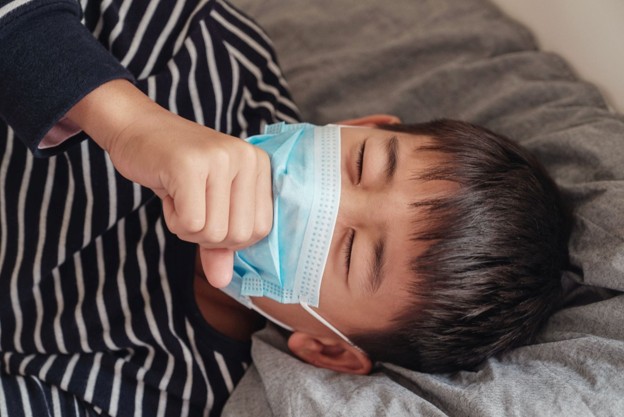
November 12 is observed annually as World Pneumonia Day, providing an opportunity for the global community to recognize the burden of the disease, raise awareness of preventive measures, and highlight the importance of timely access to diagnosis and treatment. In 2026, the global campaign, promoted by the Every Breath Counts Coalition, carries the theme “A New Era of Pneumonia Control,” recognizing advances in vaccines, diagnostic tools, and treatment approaches. [5]
This message is particularly relevant as population ageing, rapid urbanization, and increasing air pollution are making respiratory infections a growing public health concern. Pneumonia can affect people of all ages, claims millions of lives worldwide every year, and highlights the urgent need to strengthen disease prevention, early detection, and timely treatment.
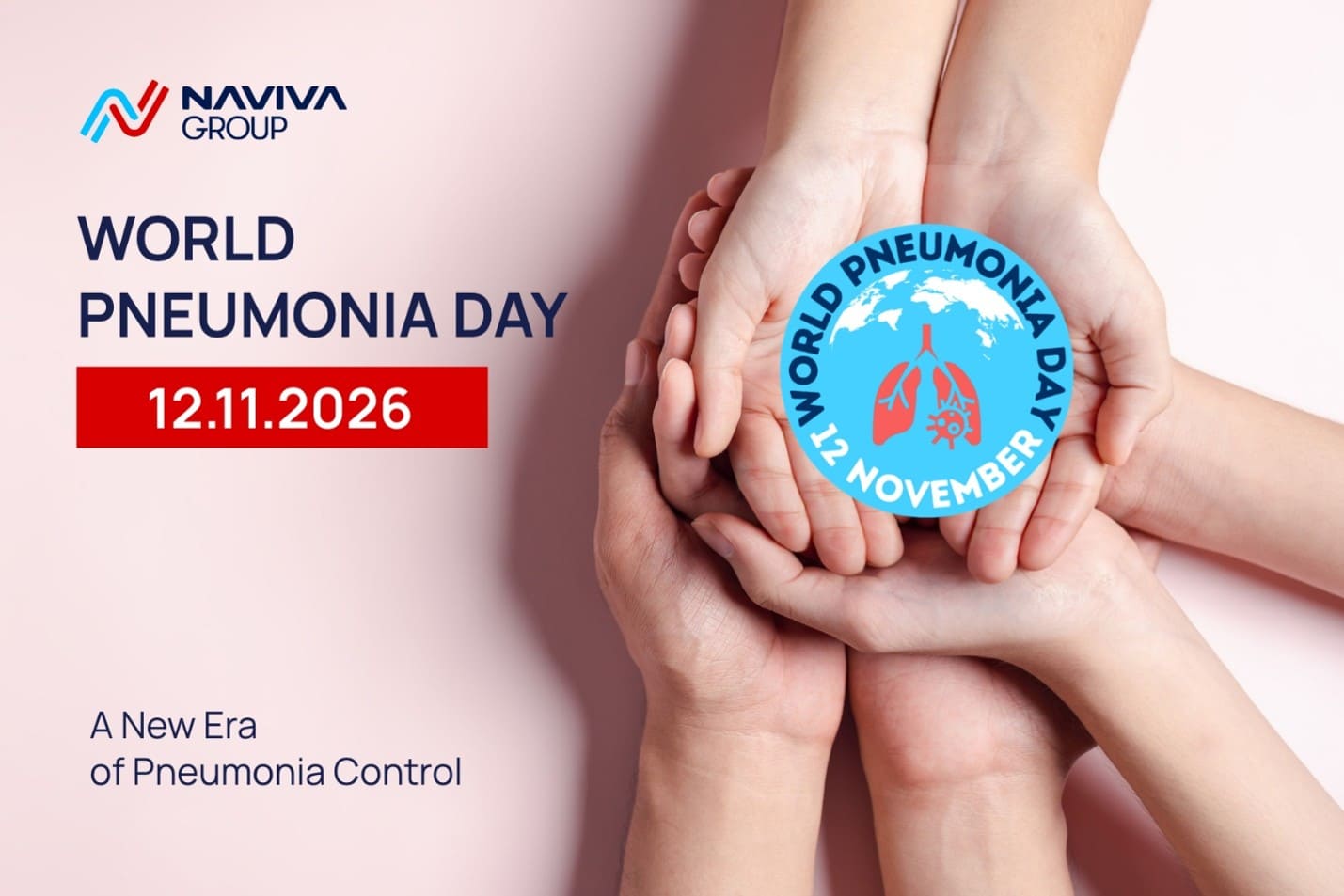
Image: In Commemoration of World Pneumonia Day 2026
1. The Global Burden of Pneumonia
Pneumonia is one of the infectious diseases responsible for a substantial burden of mortality worldwide, with approximately 2.5 million deaths reported in 2023. The disease can cause difficulty breathing and pain during respiration. Children under five years of age and older adults are among the most severely affected groups, accounting for approximately 610,000 and more than 1 million deaths annually, respectively. [5]
Children living in areas with low vaccination coverage and high rates of malnutrition, as well as those in households that use polluting fuels for cooking and heating, are particularly vulnerable. Malnutrition accounts for 60% of pneumonia-related deaths among children. More than one-quarter of pneumonia-related deaths among adults over 70 years of age are attributable to air pollution and smoking. [5]
Among the causative pathogens, Streptococcus pneumoniae (pneumococcus) is a notable contributor, causing approximately 674,000 deaths worldwide each year, including 211,000 deaths among children under five in 2025. Pneumococcus is also associated with approximately 16% of all deaths worldwide attributable to antimicrobial resistance (AMR). [4, 5, 6]
2. Symptoms and Causes of Pneumonia
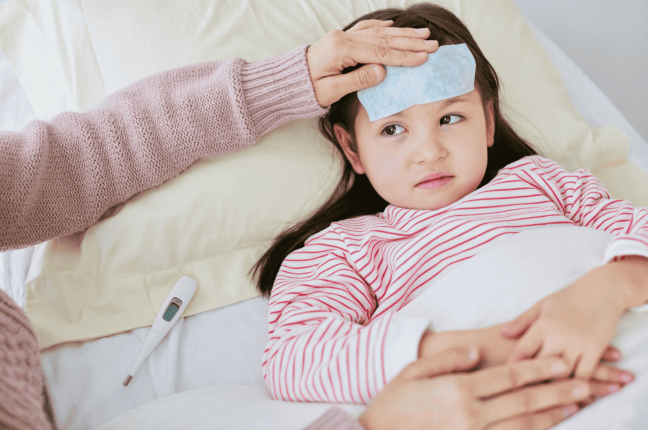
The symptoms of pneumonia may vary depending on the patient’s age, the causative pathogen, and the severity of the disease. Common symptoms include:
- Chest pain when breathing or coughing
- Altered mental status (confusion)
- Cough
- Fatigue (feeling exhausted)
- Fever or chills
- Nausea, vomiting, or diarrhea
- Shortness of breath [1]
In children under five years of age, symptoms such as cough or difficulty breathing accompanied by rapid breathing or chest indrawing (the lower chest wall moves inward when the child breathes in) require particular attention. Children experiencing severe difficulty breathing, convulsions, or lethargy should be taken to a healthcare facility immediately for assessment and management.
Pneumonia can be caused by a range of pathogens, including bacteria, viruses, fungi, and parasites. Bacteria and viruses are the more common causes, while fungal and parasitic infections are less common. [1]
In particular, infections caused by the following bacteria can lead to pneumonia:
- Streptococcus pneumoniae (pneumococcus): One of the common bacterial causes of pneumonia.
- Mycoplasma pneumoniae: Can cause community-acquired pneumonia.
- Haemophilus influenzae, Chlamydia pneumoniae, and Legionella: Other pathogens that can also cause pneumonia.
3. Proactive Pneumonia Prevention Through Vaccination
Vaccination is one of the effective measures for preventing infectious diseases that can lead to pneumonia. According to the CDC, several vaccines and immunization measures can help protect against pathogens associated with the disease, including:
- Pneumococcal vaccines: Help prevent diseases caused by Streptococcus pneumoniae.
- Influenza vaccines: Help prevent influenza and its associated complications.
- Measles and pertussis vaccines: Help prevent infections that can lead to pneumonia-related complications.
- Hib vaccine: Protects against disease caused by Haemophilus influenzae type b.
- COVID-19 vaccines: Help prevent illness caused by SARS-CoV-2. [3]
Each vaccine has its own target populations, indications, and recommended vaccination schedule. Therefore, individuals should consult healthcare professionals for advice appropriate to their age and health status. It is important to note that no single vaccine can prevent all causes of pneumonia. Staying up to date with recommended vaccinations helps reduce the risk of certain infections and their associated complications, but should be combined with other health protection measures.
4. Maintaining a Healthy Lifestyle to Protect Respiratory Health
In addition to vaccination, simple daily habits can also help reduce the risk of developing and spreading respiratory infections:
- Limit contact with sick individuals: When experiencing symptoms of an infection, individuals should rest and avoid close contact with others to reduce the risk of transmission.
- Wash hands frequently with soap and clean water, especially after coughing, sneezing, or touching surfaces in public places.
- Maintain a clean environment and disinfect frequently touched surfaces.
- Cover the mouth and nose when coughing or sneezing, using a tissue or the elbow or sleeve to help prevent the spread of respiratory droplets.
- Avoid exposure to tobacco smoke and take steps to quit smoking to protect respiratory health.
- Follow treatment instructions and undergo regular health check-ups, particularly for individuals with conditions such as asthma or chronic lung disease. [3]
For young children, the WHO also recommends exclusive breastfeeding during the first six months of life, ensuring adequate nutrition, and improving air quality in the living environment to reduce the risk of pneumonia. [7]
Pneumonia can affect anyone, but the risk of infection and complications can be reduced through appropriate preventive measures. Staying up to date with recommended vaccinations, maintaining good hygiene practices, avoiding tobacco smoke, and taking care of one’s health on a daily basis all play important roles in disease prevention.
In response to World Pneumonia Day on November 12, everyone is encouraged to proactively seek reliable information and adopt appropriate preventive measures to protect their own health, as well as that of their families and communities. Among these measures, pneumococcal vaccination helps prevent invasive pneumococcal disease and pneumonia caused by vaccine-covered strains of Streptococcus pneumoniae. NAVIVA Group currently distributes two pneumococcal vaccines, Prevenar 13 and Prevenar 20, manufactured by Pfizer, helping make preventive solutions against pneumococcal disease more accessible to healthcare facilities and people across Vietnam.
REFERENCES
[1] CDC. About pneumonia. 2026.
[2] CDC. Risk factors for pneumonia. 2026.
[3] CDC. Pneumonia prevention and control. 2026.
[4] Cilloniz, C., et al. (2024). World pneumonia day 2024: Fighting pneumonia and antimicrobial resistance. American Journal of Respiratory and Critical Care Medicine, 210(11), 1283-1285.
[5] Every Breath Counts Coalition. World Pneumonia Day. 2026.
[6] Greenslade, L. Historic milestone: 71% of world’s children protected against pneumococcal disease. Every Breath Counts Coalition. 2026.
[7] WHO. Pneumonia in children. 2022.