
From 18-24 November 2026, World AMR Awareness Week takes place under the theme “One Health, one action: Prevent AMR now”. The campaign calls on everyone to join hands and recognize that the health of humans, animals, plants, and the environment are closely linked and interdependent, and that action in one sector can benefit all [2].
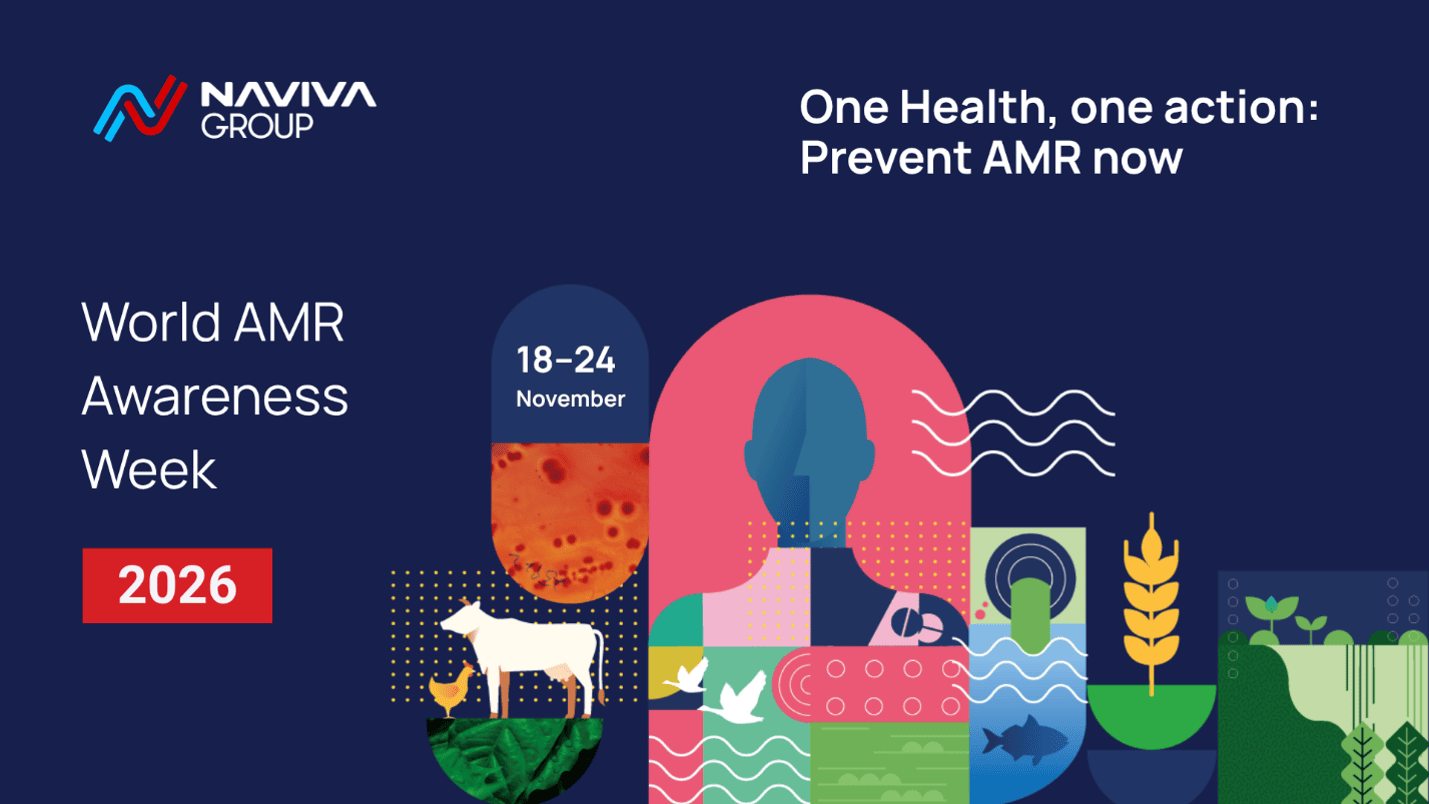
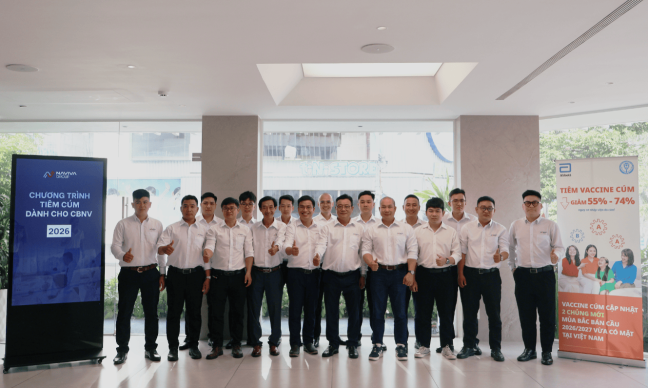
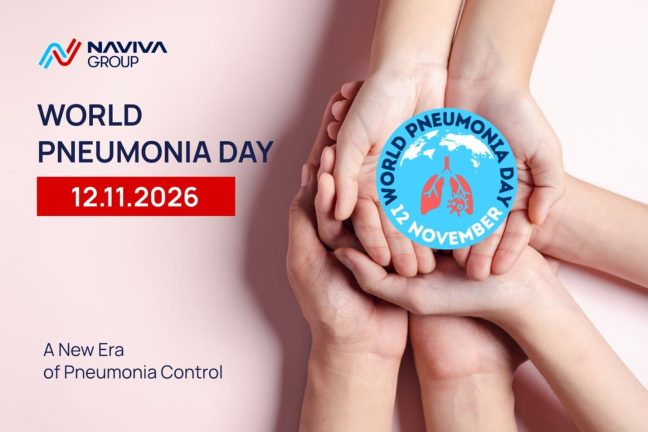
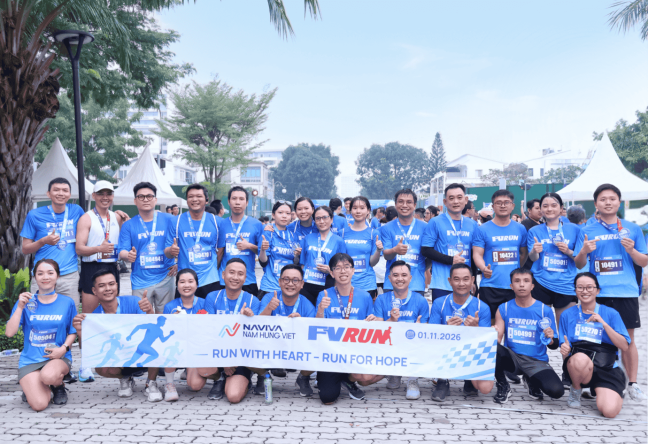
Photo: NAVIVA Group in observance of World AMR Awareness Week.
Antimicrobial resistance impacts health, lives, and national sustainable development
In an increasingly interconnected world, the medicines that save lives, the food we produce, the economies we rely on, and the environment we live in are all deeply linked. The emergence and spread of drug-resistant pathogens (Antimicrobial Resistance – AMR) can affect every one of these sectors, undermining the effectiveness of essential treatments and putting millions at risk of untreatable infections [2]. This is why antimicrobial resistance has become one of the greatest threats to global health.
Antimicrobial resistance (AMR) occurs when bacteria, viruses, fungi, and parasites no longer respond to antimicrobial medicines, making standard treatments ineffective. As a result, infections become more severe, prolonging illness, driving up healthcare costs, and increasing the risk of complications and death [4].
According to estimates, antimicrobial resistance is currently associated with more than 4.7 million deaths each year. Without effective and timely interventions, it could cause up to 39 million deaths between 2025 and 2050, while costing the global economy an estimated USD 7.7 trillion by 2035. This burden is projected to disproportionately affect low- and middle-income countries [2].
The situation of antimicrobial resistance in Viet Nam
In recent years, Viet Nam has been among the countries witnessing a growing threat of antimicrobial resistance, driven by the inappropriate use of antibiotics across all levels of the healthcare system, as well as in aquaculture and livestock production [4].
According to data published by the WHO, several concerning realities include:
- Dispensing antibiotics without a prescription: Between 88% and 97% of pharmacies sell antibiotics without a prescription, even though this is prohibited by Vietnamese law.
- Inappropriate use of antibiotics: A multicenter study in Vietnamese hospitals revealed that approximately one-third of patients received inappropriate antibiotic treatment during their hospital stay [5].
- Overuse and misuse of antibiotics: Antibiotics account for more than 50% of all medicines used in human medicine and are the most commonly sold drugs in community pharmacies [4].
These figures reflect the widespread misuse and overuse of antibiotics, such as people buying antibiotics on their own without a doctor’s prescription, stopping medication as soon as they feel better, reusing leftover drugs, or sharing medicines with others.
It is important to note that antimicrobial resistance does not stem solely from human medical use. The overuse of antibiotics in livestock farming and aquaculture, along with the discharge of waste containing antibiotic residues into the environment, also contributes to the emergence and spread of drug-resistant microorganisms, directly affecting human health [1].
What can the public do to prevent and combat antimicrobial resistance?
To prevent antimicrobial resistance, every citizen needs to raise awareness and help curb resistance through practical changes in farming, daily habits, and healthcare.
1. Use antibiotics only as prescribed, and avoid self-medication and misuse
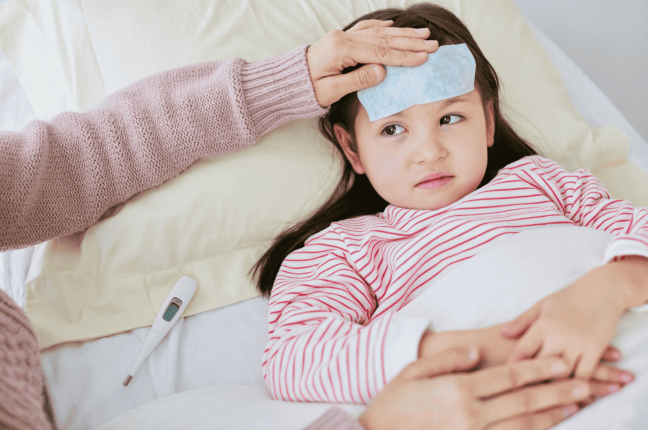
Antibiotics only treat bacterial infections and are completely ineffective against colds, the flu, and other viral illnesses. Therefore, people should not buy antibiotics on their own when experiencing symptoms such as cough, fever, or sore throat, nor should they reuse old prescriptions. When prescribed by a doctor, always follow the exact drug, dosage, duration, and treatment instructions. Never adjust the dose, stop treatment early, or share antibiotics with others. If you experience side effects or have questions during treatment, consult a healthcare professional for proper guidance [1].
2. Strengthen hygiene and infection prevention and control
Maintain personal hygiene, a clean living environment, and sanitary food preparation areas. Wash hands before cooking, use safe food, and ensure clean, hygienic water sources in households, healthcare facilities, and food production. In addition, vaccination plays a vital role in preventing infections, reducing the risk of bacterial complications, and curbing inappropriate antibiotic use [3].
3. Join hands to protect health from the community to the environment
Everyone must raise awareness of responsible medicine use, refrain from the arbitrary use of antibiotics in crop cultivation and livestock farming, and properly dispose of unused medicines and waste. This embodies the spirit of “One Health”, signifying that the health of humans, animals, plants, and the environment are closely interconnected as one [2].
NAVIVA Group in observance of World AMR Awareness Week 2026
Antimicrobial resistance (AMR) can spread rapidly across healthcare facilities, animals, food, soil, and water. Addressing this challenge requires coordinated collaboration across human health, animal husbandry, and environmental sectors, involving regulatory agencies, businesses, and every individual.
In line with these efforts, the BARYCELA varicella vaccine stands out as an innovative solution featuring an antibiotic-free manufacturing process, meeting rigorous standards for vaccine composition. The vaccine achieved World Health Organization Prequalification (WHO-PQ) in 2023. In observance of World AMR Awareness Week 2026, NAVIVA Group is committed to sharing science-based knowledge, raising public awareness on the responsible use of antimicrobials, and championing proactive infection prevention.
Every right action taken today is a practical contribution toward preserving the effectiveness of life-saving treatments, safeguarding community health, and building a sustainable future.
References
[1] MARD, MOH, WHO, FAO and the British Embassy, Everyone in Viet Nam must join hands against antimicrobial resistance, say officials. World Health Organization, 2024.
[2] Quadripartite Joint Secretariat on Antimicrobial Resistance, World AMR Awareness Week 2026: One Health, one action: Prevent AMR now, 2026.
[3] WHO, Estimating the impact of vaccines in reducing antimicrobial resistance and antibiotic use: Technical report, 2024.
[4] WHO, Antimicrobial resistance in Viet Nam. WHO Regional Office for the Western Pacific, 2026.
[5] Thu TA et al., Antibiotic use in Vietnamese hospitals: A multicenter point-prevalence study. American Journal of Infection Control, 2012.