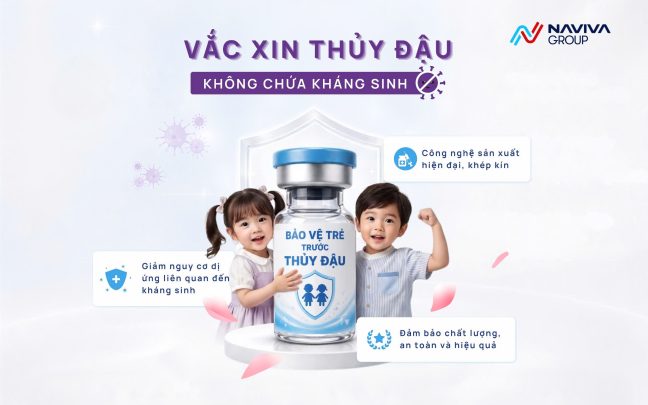
Chickenpox (varicella) is an acute infectious disease caused by the Varicella-Zoster virus (VZV). It spreads easily among children through respiratory transmission or contact with fluid from blisters. Common symptoms include fever, fatigue, and itchy blisters. The disease can also lead to complications such as skin infections, pneumonia, encephalitis, meningitis, and shingles later in life [6]. Given these risks, vaccination is an effective preventive measure against chickenpox.
In recent years, however, many parents have become increasingly concerned about vaccine safety, particularly antibiotics that may remain as trace residues from the manufacturing process and the potential risk of adverse reactions in children with sensitivities. In this context, the introduction of Barycela, a second-generation varicella vaccine based on the MAV/06 strain and manufactured without antibiotics, represents a new approach to addressing concerns about antibiotic content in vaccines while supporting improvements in vaccine quality and confidence in immunization.
1. Risks of antibiotic allergies associated with vaccines
1.1. Why are antibiotics used in vaccines?
During the production of many commonly used vaccines, including those against measles, mumps, rubella, and varicella, antibiotics such as neomycin, streptomycin, and erythromycin may be added to cell or virus culture media to limit unwanted bacterial or fungal contamination and maintain aseptic conditions. [3]
After virus cultivation is complete, the vaccine undergoes rigorous purification processes to remove most residual production components. However, small trace amounts of antibiotics may remain in the finished vaccine. [8]
1.2. Potential adverse reactions to antibiotics in children with sensitivities
Although the amount of residual antibiotics in vaccines is very low and reactions are rare, these components may still warrant consideration in children with sensitivities or a history of allergies. Possible allergic manifestations following vaccination include hives, skin rashes, itching, irritability, reduced feeding, or disturbed sleep.
In infants, these signs may be mistaken for normal physiological responses. If an allergic reaction is not recognized promptly, it can become more severe and, in rare cases, lead to anaphylaxis. Therefore, screening for a history of allergies before vaccination is important. The development of vaccines manufactured without antibiotics is also an approach that can help address concerns about antibiotic-related risks.
2. Advancements in Barycela, a second-generation varicella vaccine
Barycela is a varicella vaccine developed by GC Biopharma (South Korea) using the attenuated MAV/06 virus strain. By eliminating the use of antibiotics throughout the manufacturing process, Barycela represents a notable advancement in vaccine manufacturing technology.
Barycela is a second-generation varicella vaccine developed based on the research and manufacturing experience gained from the first-generation Varicella-GCC vaccine, which has been available in Vietnam since 2008. Building on this foundation, GC Biopharma has introduced several improvements intended to enhance vaccine stability and safety. Key advancements include:
- Automated, closed aseptic manufacturing technology: The vaccine is manufactured on an automated production line using a sterile, single-use bag system to minimize the risk of cross-contamination.
- Antibiotic-free manufacturing: Through an aseptic manufacturing process from virus cultivation to purification, Barycela is produced without the use of antibiotics.
- A minimum potency of 3,800 PFU throughout its shelf life: This is higher than that of some Oka-strain varicella vaccines used worldwide. [2]
- MRC-5 cell line: A cell line recommended by the World Health Organization (WHO) and widely used globally in vaccine production. [7]
From Varicella-GCC (first generation) to Barycela (second generation), improvements in the manufacturing process have helped enhance vaccine stability and support safety. The following table highlights the technological advancements.
| Criteria | First generation: Varicella Vaccine – GCC inj. | Second generation: BARYCELA inj. |
| Virus strain | MAV/06 | MAV/06 |
| Virus content | ≥ 1,400 PFU | ≥ 3,800 PFU |
| Cell line | LuMA cells | MRC-5 cells |
| Manufacturing process |
|
|
| Antibiotic content | Contains biotics (Kanamycin, Erythromycin) | Manufactured without antibiotics |
| WHO PQ qualification | Not obtained | Obtained (February, 2023) |
| Approval in Vietnam | 2008 | 2025 |
Table 1: Comparison of Varicella Vaccine – GCC inj. and BARYCELA inj.
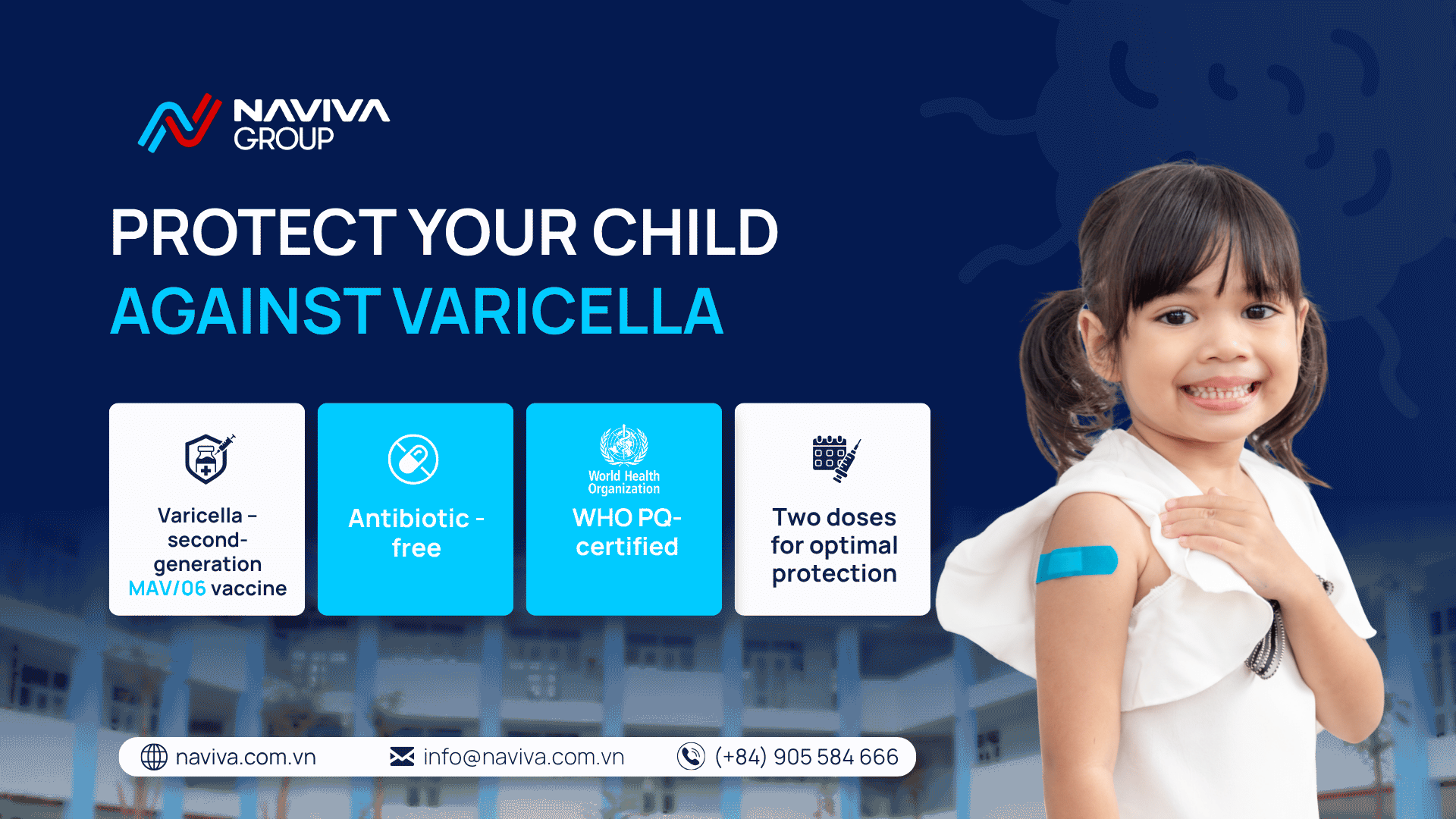
Image: Protect your child against varicella
3. Barycela: An advancement in chickenpox prevention for children with sensitivities
Thanks to its improved manufacturing technology, which eliminates the use of antibiotics, Barycela avoids the risk of allergic reactions or anaphylaxis associated with neomycin, offering greater peace of mind to families with children who are sensitive to antibiotics. The vaccine received World Health Organization Prequalification (WHO PQ) in 2023. [5]
Studies have demonstrated the efficacy and safety of the first-generation MAV/06-strain vaccine:
- In the Philippines: A five-year follow-up study involving 163 children reported no cases of clinical disease or skin lesions, corresponding to an estimated protective efficacy of approximately 100%.
- In South Korea (vaccine coverage above 95%): Following the vaccine’s introduction into the national immunization program in 2005, the incidence of chickenpox decreased by 60–67%, while the age distribution of cases shifted toward older groups. Notably, from 2010 to 2021, the rate of complications among children declined by 96%, from 137 to 6 cases per 100,000 people. [4]
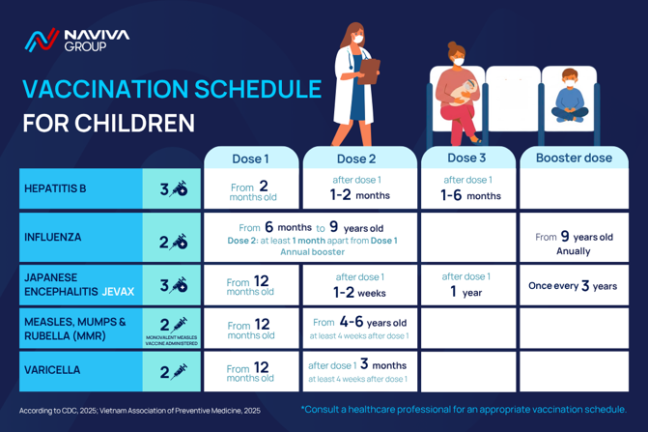
Vaccination is an effective way to protect children against chickenpox. With its safety advantages and reasonable cost, the second-generation MAV/06-strain vaccine helps expand access to vaccination and contributes to improving public health.
Barycela is now available at most vaccination centers nationwide. Parents are encouraged to take their children to the nearest healthcare facility to consult a healthcare professional about the appropriate vaccination schedule.
References:
[1] CDC, Preventing and managing adverse reactions: General best practice guidance for immunization, 2024
[2] GC Biopharma. BARYCELA Inj. Stability Study Report: Stability Evaluation at 15 ± 2°C and 65 ± 5% Relative Humidity for 28 Days. Internal Quality & Stability Data, 2024.
[3] Mahler, V., & Junker, A.-C, Allergo Journal International, Anaphylaxis to additives in vaccines, 2022
[4] Shin, Y., Ryu, H., Kim, G., Yang, S., Lee, J., & Choi, B, NIH, Safety, immunogenicity, and effectiveness of the MAV/06 varicella vaccine: A comprehensive review of a new strain vaccine, 2026
[5] WHO, BARYCELA inj. WHO – Prequalification of Medical Products, 2023
[6] WHO, Chickenpox: Questions and answers, 2025
[7] WHO, WHO reference cell banks, 2021
[8] WHO, Vaccine safety basics learning manual, 2013
NAVIVA GROUP
“Community health is our happiness!”