1. Seasonal influenza and it causes
Seasonal influenza is an acute respiratory infection caused by influenza viruses and represents a significant global public health burden. The virus spreads easily through respiratory droplets released when an infected person coughs or sneezes, as well as through contact with virus-contaminated surfaces. Influenza A viruses, particularly the H1N1 and H3N2 subtypes, and influenza B viruses are the main types responsible for seasonal flu.
According to estimates from the World Health Organization (WHO), seasonal influenza causes approximately 1 billion cases worldwide each year, including 3–5 million cases of severe illness and 290,000–650,000 deaths from influenza-associated respiratory complications. [5]
2. When does seasonal influenza peak in Vietnam?
Seasonal influenza typically peaks during the winter–spring period (December to February) in northern Vietnam, when temperatures drop. In southern Vietnam and the Central Highlands, influenza circulates year-round, with cases tending to increase during the rainy season, from mid-May to November.
However, recent surveillance data suggest that outbreaks can occur at any time of the year, including during the hot summer months. While 70–80% of cases were previously concentrated in winter and spring, summer and autumn now reportedly account for as much as 40–50% of annual cases.
This shift may be influenced by climate change, air pollution, rapid urbanization, and the widespread use of air-conditioned indoor spaces, which create artificial cool, dry environments that may affect viral transmission. In addition, improved disease surveillance and greater public awareness of seeking medical care may contribute to the detection of sporadic cases throughout the year. [3]
3. Symptoms of seasonal influenza
Symptoms of seasonal influenza usually appear 1–4 days after infection and typically last about a week. They often develop suddenly and include:
- Sudden onset of high fever
- Cough, usually dry, which may last for two weeks or longer
- Headache and severe muscle and joint aches
- Extreme fatigue and weakness
- Sore throat, runny nose, or nasal congestion [5]
Most people recover from seasonal influenza within about a week without requiring specific medical treatment. However, seasonal influenza can lead to serious complications, such as pneumonia and sepsis, or worsen existing chronic conditions.
The course of the illness varies from person to person. Individuals at higher risk include adults aged 65 and older, children under 5, pregnant women (particularly during the third trimester), people with underlying conditions such as cardiovascular disease, chronic lung disease, kidney failure, cirrhosis, or diabetes, and those with weakened immune systems. Anyone experiencing severe or worsening symptoms should contact or visit a healthcare facility for timely medical advice, assessment, and treatment.
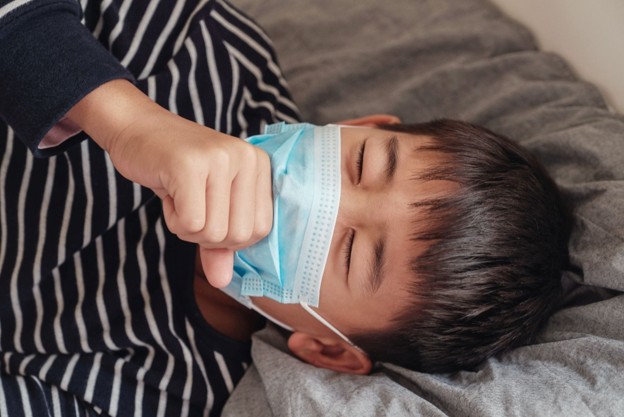
Image: Groups recommended for seasonal influenza vaccination
4. Effective measures to prevent seasonal influenza
4.1. Daily personal hygiene helps reduce transmission
In addition to vaccination, the World Health Organization (WHO) and the US Centers for Disease Control and Prevention (CDC) recommend practicing good personal hygiene and improving indoor environments to reduce the risk of influenza transmission:
- Wash hands frequently: Wash hands with soap and water, then dry them properly, or use an alcohol-based hand sanitizer. [6]
- Practice respiratory hygiene: Cover your mouth and nose with a tissue when coughing or sneezing, then dispose of the tissue immediately in a waste bin. Wear a mask in crowded places or when experiencing respiratory symptoms, such as coughing, sneezing, or a runny nose, to help reduce transmission. [6]
- Stay home when sick: If you develop a fever or influenza symptoms, stay home and limit contact with others. [6]
- Keep indoor spaces well ventilated: Clean frequently touched surfaces, such as door handles and phones, and avoid touching your eyes, nose, and mouth with unwashed hands. [6]
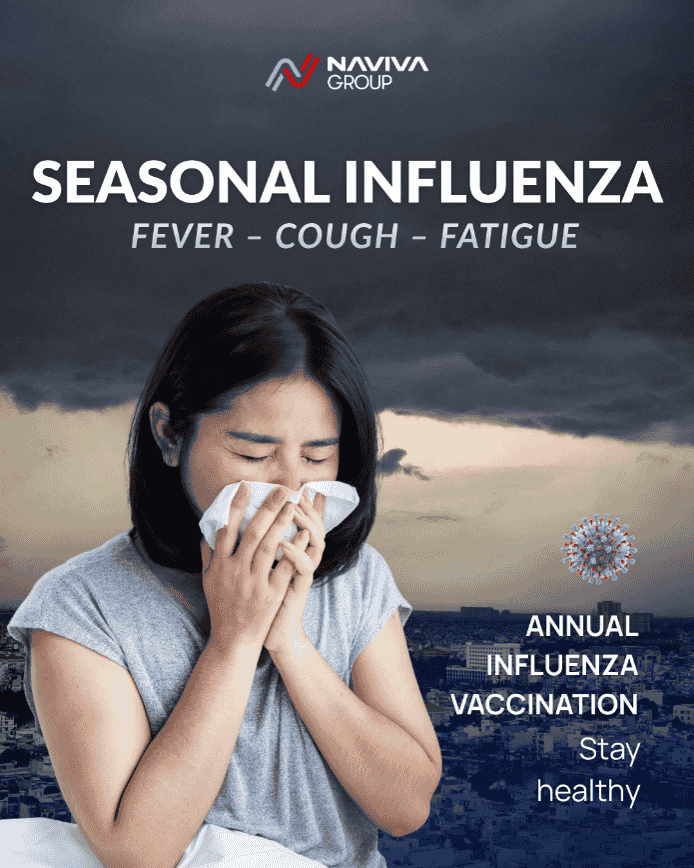
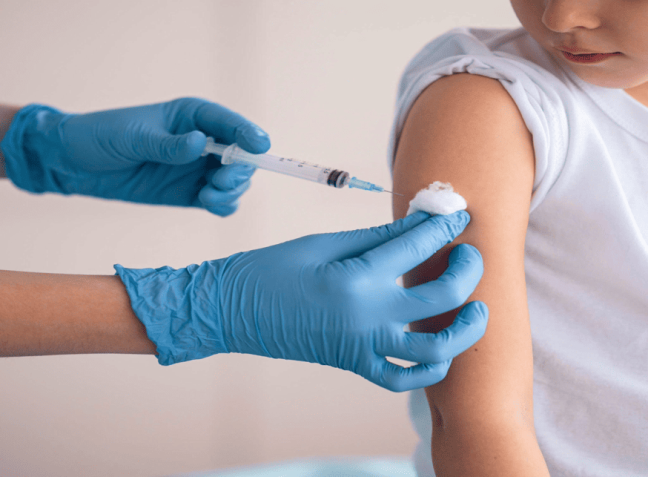
Image: Annual influenza vaccination
4.2. Annual seasonal influenza vaccination
World Health Organization (WHO) and US Centers for Disease Control and Prevention (CDC) recognize vaccination as an important and effective measure for preventing influenza and its serious complications. [6][2]
Annual influenza vaccination is necessary because vaccine-induced protection decreases over time and influenza viruses continually undergo changes in their genetic structure each year.
Influvac, manufactured by the renowned pharmaceutical company Abbott in the Netherlands, is a surface antigen influenza vaccine indicated for the prevention of seasonal influenza caused by currently circulating influenza virus strains. It helps the body develop protective antibodies, thereby reducing the risk of severe illness, hospitalization, and death, particularly among children, older adults, and people with underlying medical conditions.
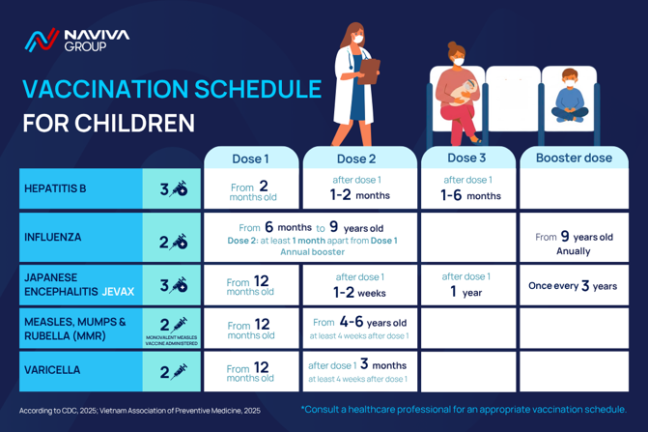
Recommended vaccination schedule:
- Children aged 6 months and older and adults: One dose annually.
- Children under 9 years of age who have never received an influenza vaccine: Two doses, with the second dose administered at least 4 weeks after the first, followed by annual vaccination [4]
Seasonal influenza can circulate and cause outbreaks at any time of the year, particularly during seasonal transitions. An annual influenza vaccination, combined with simple habits such as regular handwashing, is an effective way to help protect yourself and your loved ones and support a healthier life every day.
References:
[1] CDC, People at Increased Risk for Flu Complications, 2024.
[2] CDC, Preventing Seasonal Flu, 2024.
[3] Hội Y học Dự phòng Việt Nam, Cúm mùa: Hiểu đúng tên gọi và xây dựng chiến lược phòng bệnh linh hoạt tại Việt Nam.
[4] NAVIVA, Vắc xin phòng bệnh cúm Influvac Tetra.
[5] WHO, Influenza (seasonal): Fact sheet, 2025.
[6] WHO Viet Nam, Influenza (seasonal).
NAVIVA GROUP
“Community health is our happiness!”